
How I Got My Autistic Child to Transition Easily Using Visual Cues
For my autistic son, the world is a series of intense, deep dives. When he is focused on his Legos or a favorite video, he is 100% "in." Breaking that focus to go to dinner or take a bath isn't just an annoyance; it’s a sensory and emotional disruption that can lead to a total shutdown or meltdown.
I tried verbal countdowns ("5 minutes, 2 minutes, 1 minute"), but they only seemed to increase his anxiety. The "surprise" of the ending was still there. The only thing that worked was a visual countdown.
The Security of the "Seeing the End"
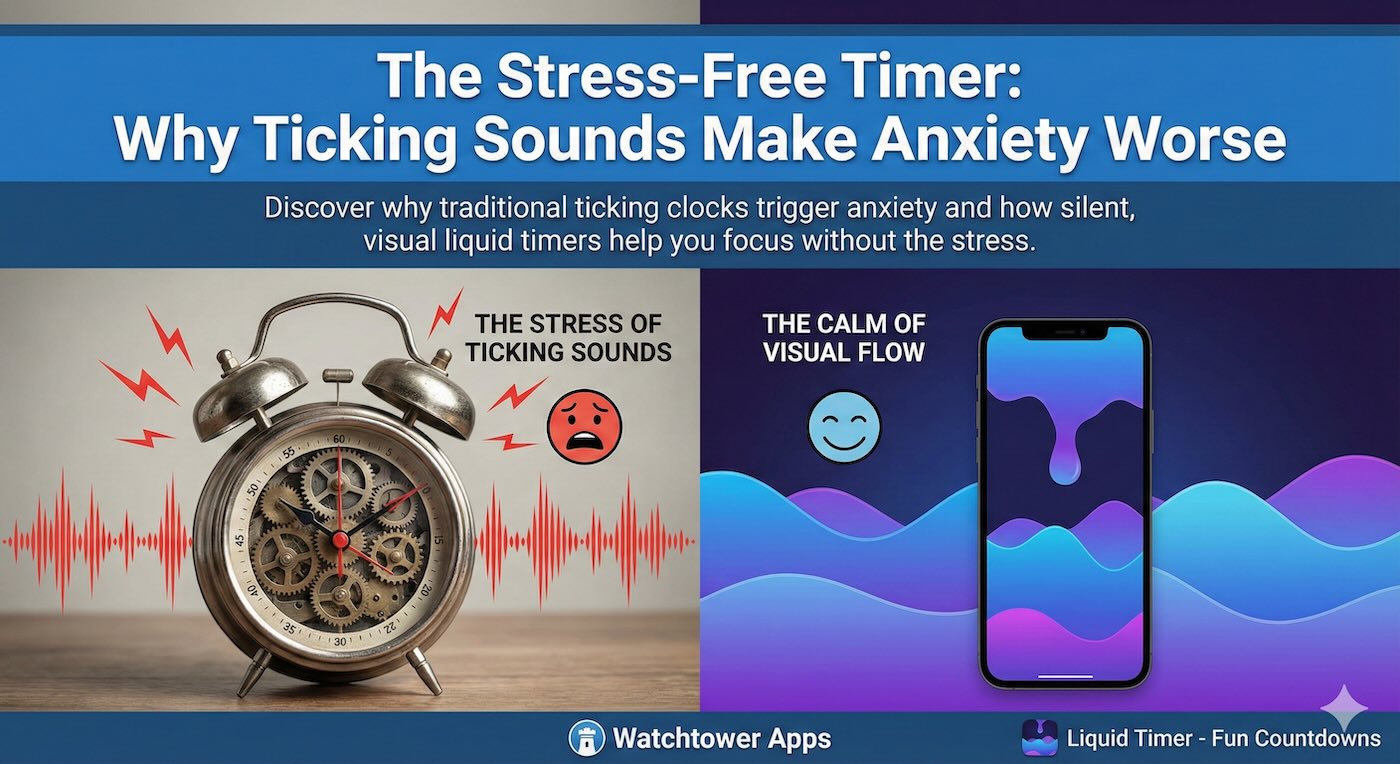
An autistic brain often struggles with "temporal processing"—the internal sense of time. Verbal warnings are abstract sounds that require processing. A visual timer is a concrete, silent signal.
My son can look at the liquid in the timer and see the end approaching. He doesn't have to "guess" how much time is left. This visual security allows him to start "winding down" his internal engines long before the time is actually up.
Reducing the "Fight or Flight" Response
Jarring alarms or sudden verbal commands can trigger a "fight or flight" response in neurodivergent children. A visual countdown is gentle. It doesn't scream at him; it simply exists.
We use our Liquid Countdown Timer specifically because the animation is smooth and predictable. There are no sudden changes or loud noises. It’s a sensory-friendly way to manage the day that respects his need for order and predictability.
Empowering Self-Regulation
Now, he often asks to set the timer himself. This is a huge win for his self-regulation. He is learning to manage his own transitions rather than being managed by others. It has transformed our home from a place of constant conflict to a place of cooperative flow.
If you’re looking for a sensory-friendly way to help your child navigate the day, try a visual anchor. Visit visualcountdowntimer.com and see how predictability can bring peace.